
The journey of a new Scalextric car is full of twists and turns, much like the best racetracks. It can take around two years from initial idea to car being sold in the market.
Let's delve into the development process for a behind-the-scenes look at Scalextric.
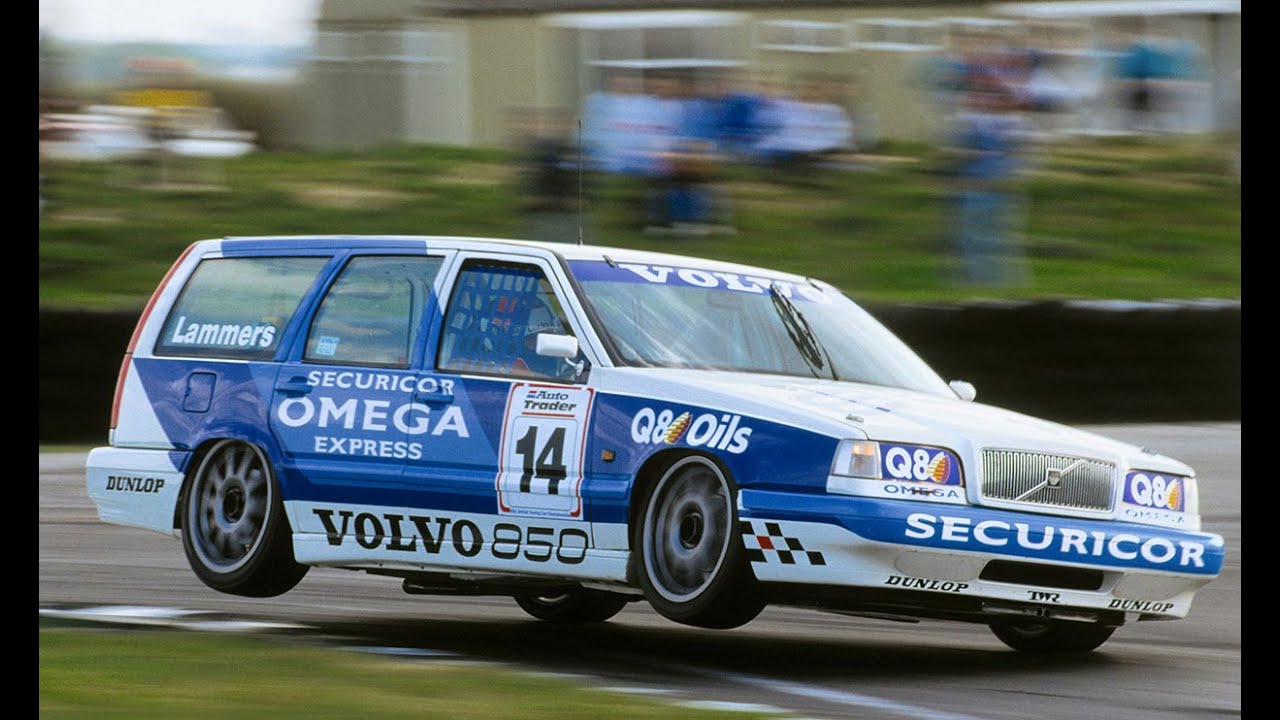
Ideas for slot cars come via extensive research into what people want, what is relevant right now, and what might be big in the future.
Every project starts with checking if a subject is viable. We look at how many livery options a car might have, how many extra parts are required to make this version, and how popular the liveries being produced are. If we decide a car is worth replicating in slot form, we contact the manufacturer and drivers to get as much information about the car as we can.
We source CAD data, alongside a series of photos for livery information. If necessary, we'll conduct site visits to see the real car and get better references for specific parts that are more difficult to see in CAD or photographs. After all our research is complete, we can start designing a new slot car.
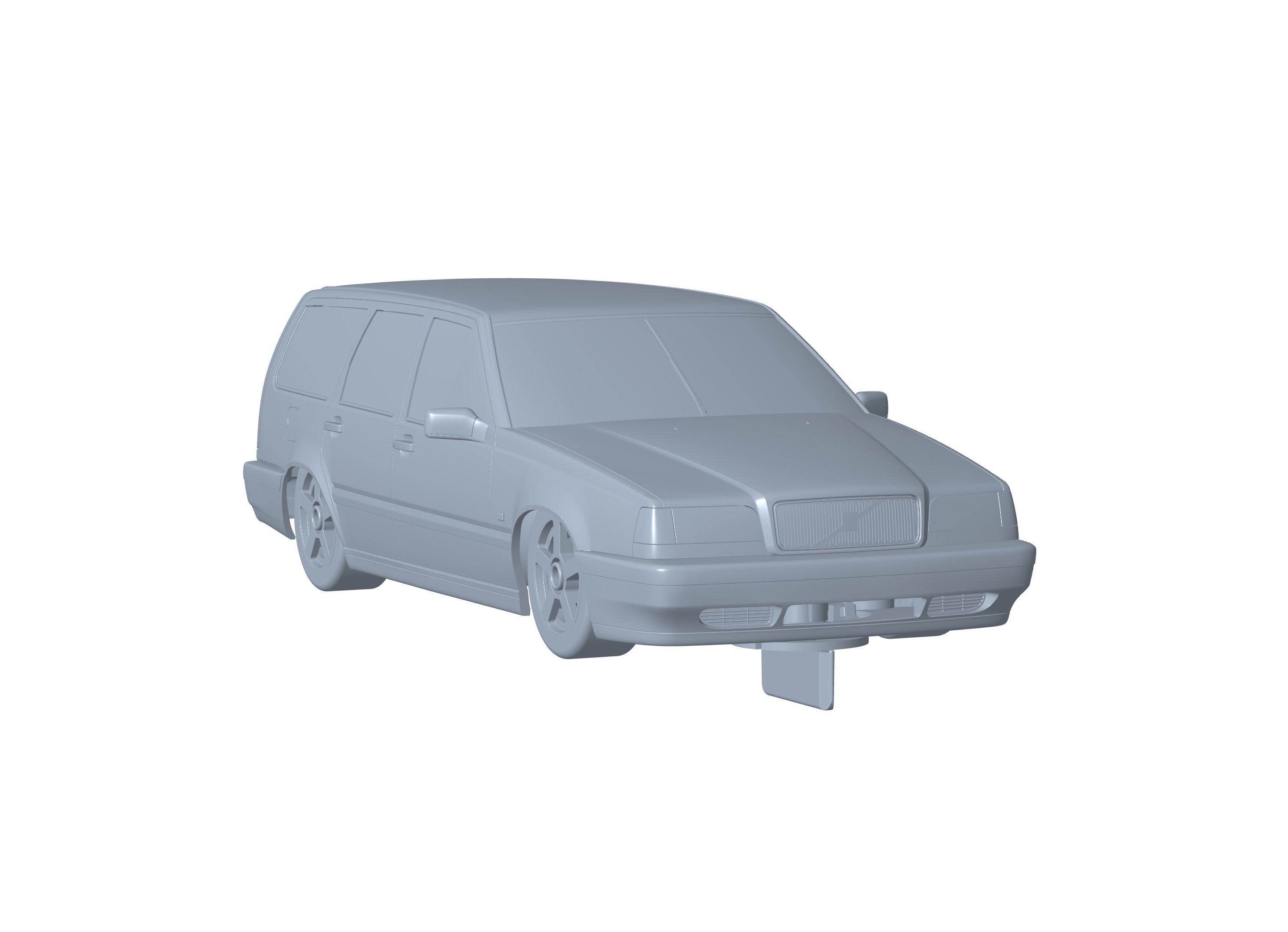
The design brief is given to the product designer., who creates an assembly to work in, in their design software, starting with a skeleton model of the outside surface of the car. They reproduce this as an inside surface to ensure a uniform wall thickness, which is essential in reducing any chance of ‘shrinkage’ appearing on the outside surface.
Once the skeleton is finished, the designer splits out the design into the various parts needed. We often split parts to help with moulding in certain directions for certain details of the car. The designer adds in all the necessary components used in every car to get it running, and they'll design the chassis around those and the new car's shape. Every chassis is a bespoke design, to ensure the best performance and detail. When finished, they can produce line drawings for graphic designers and export the data for prototyping.
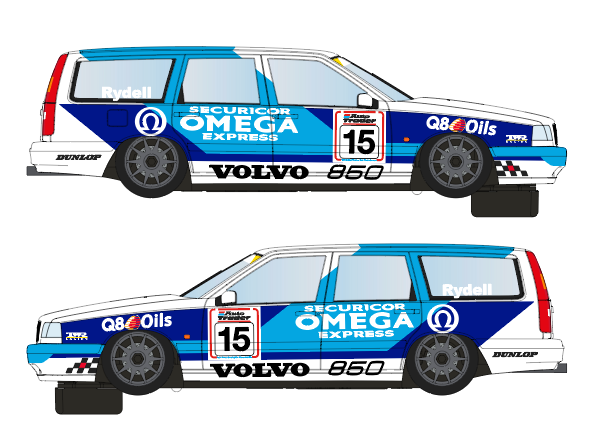
After the design stage, our in-house graphics design team create the livery for the model. A specific livery will be selected, and a series of photos and research material is sourced. From this research, our graphic designers can ensure that every detail is accurately represented on our model from the original car.
Each graphic and logo is built up, layer-by-layer, using specialist software to create the file our factory will use to create the model. Once complete, this is sent to the actual car's manufacturer for licensor approval.
After completing the livery, the designers move onto the packaging artwork. How complex this is will depend on what type of product it is that we are making.
A single car will have a simple sticker with all relevant information required. A set or multi-car pack will require an iconic action shot for the front of the box. This is created by a process called rendering, which combines the 3D CAD, the 2D livery artwork and some Photoshop magic.
As per the livery design, these designs also must be sent for licensor approval.
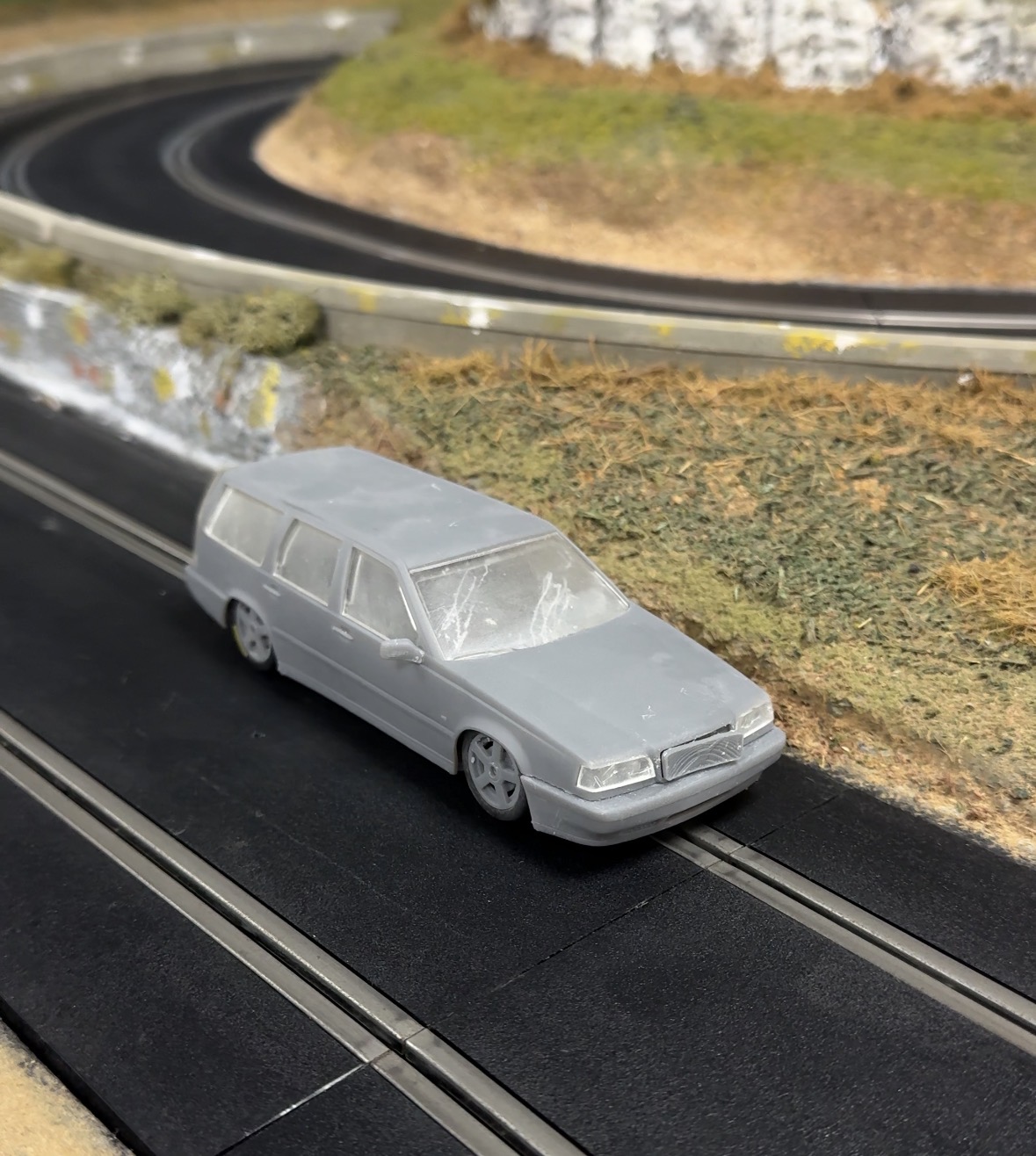
The designers use a 3D printer to print prototypes of all the parts. This process is called Stereolithography and uses files called STLs.
This prototype can be installed with all our standard components and run as a normal Scalextric car, although it is much more delicate. This allows the designer to check that all the parts fit correctly and can be assembled in the factory by skilled workers by hand. It also allows them to run the cars to test their performance around the test track, ensuring maximum fun for everyone.
Tools are the metal moulds that are put into injection moulding machines. These are made from the exported data the designers have made and carved into steel blocks using a process called Electrical Discharge Machining (EDM), accurately reproducing the design of the car.
The moulds are essentially an inverse or negative of the design. We squeeze hot plastic into the gap, which is then cooled and ejected, leaving the moulded parts on a sprue.
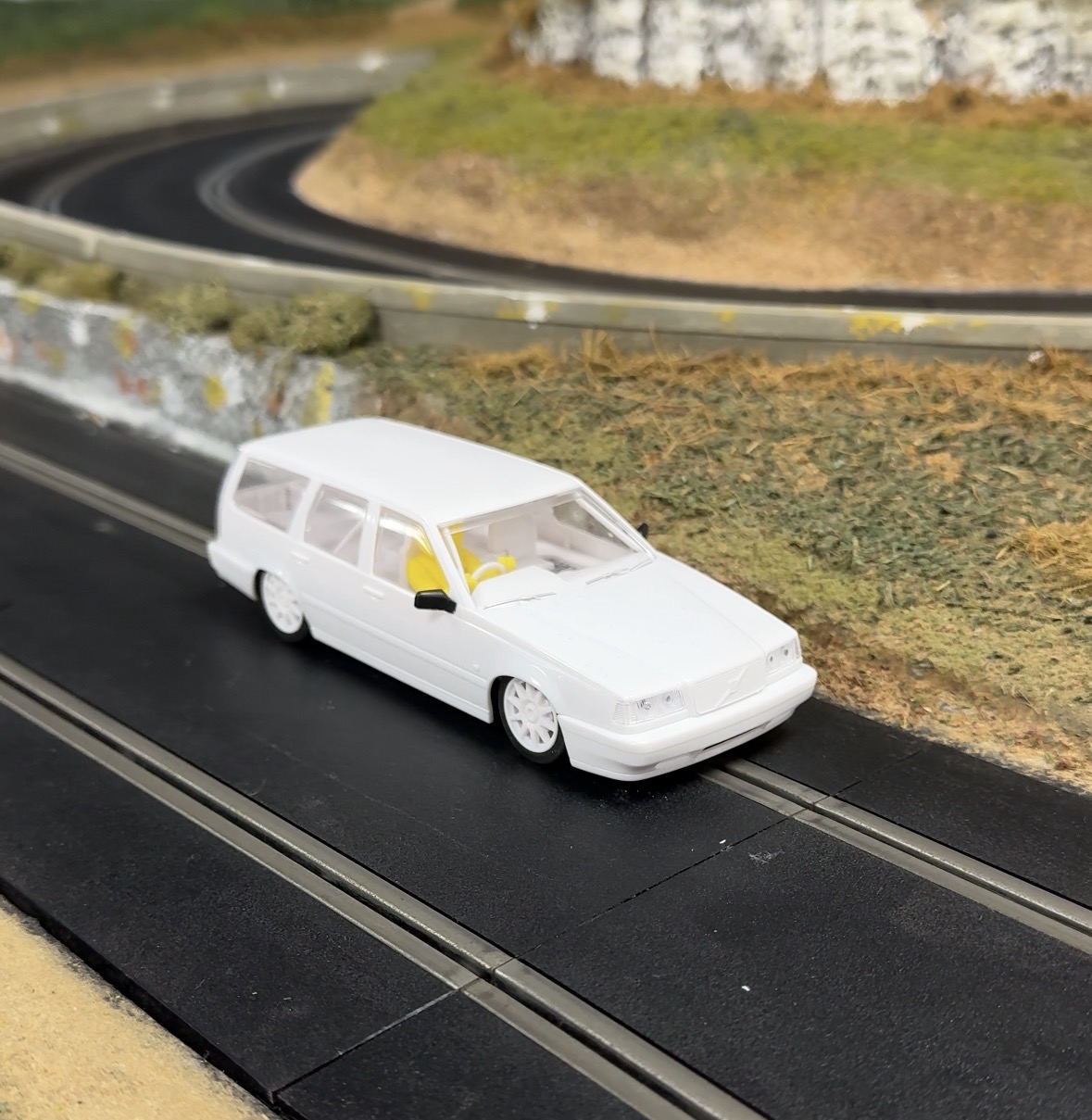
The manufacturer then sends these sprues to the designer, who checks the parts to ensure they have come out of the tool with no damage and a complete 'shot'.
Sometimes the flow of the plastic may not reach everywhere in the tool and a part may not be fully moulded. The designer checks for any shrinkage, burn marks, knit lines (where two sides of the plastic flow meet in the tool and then cool) and, if all good, the tooling will be approved.
If not, this is reported back and the tools/process is worked on and improved.
Sometimes sent alongside the first shots, our designers will receive a complete running sample. This allows them to see that the parts do indeed fit together correctly, and the motor and gears all run to a high standard and performance on the team’s test tracks. Again, if any problems occur at this stage, it is reported back to the manufacturer and improved.
If any problems did occur from the first EP, the manufacturers send another EP with the amended points completed from the first report. We complete further race testing, and, if all clear, we approved the slot car and sign off for production.
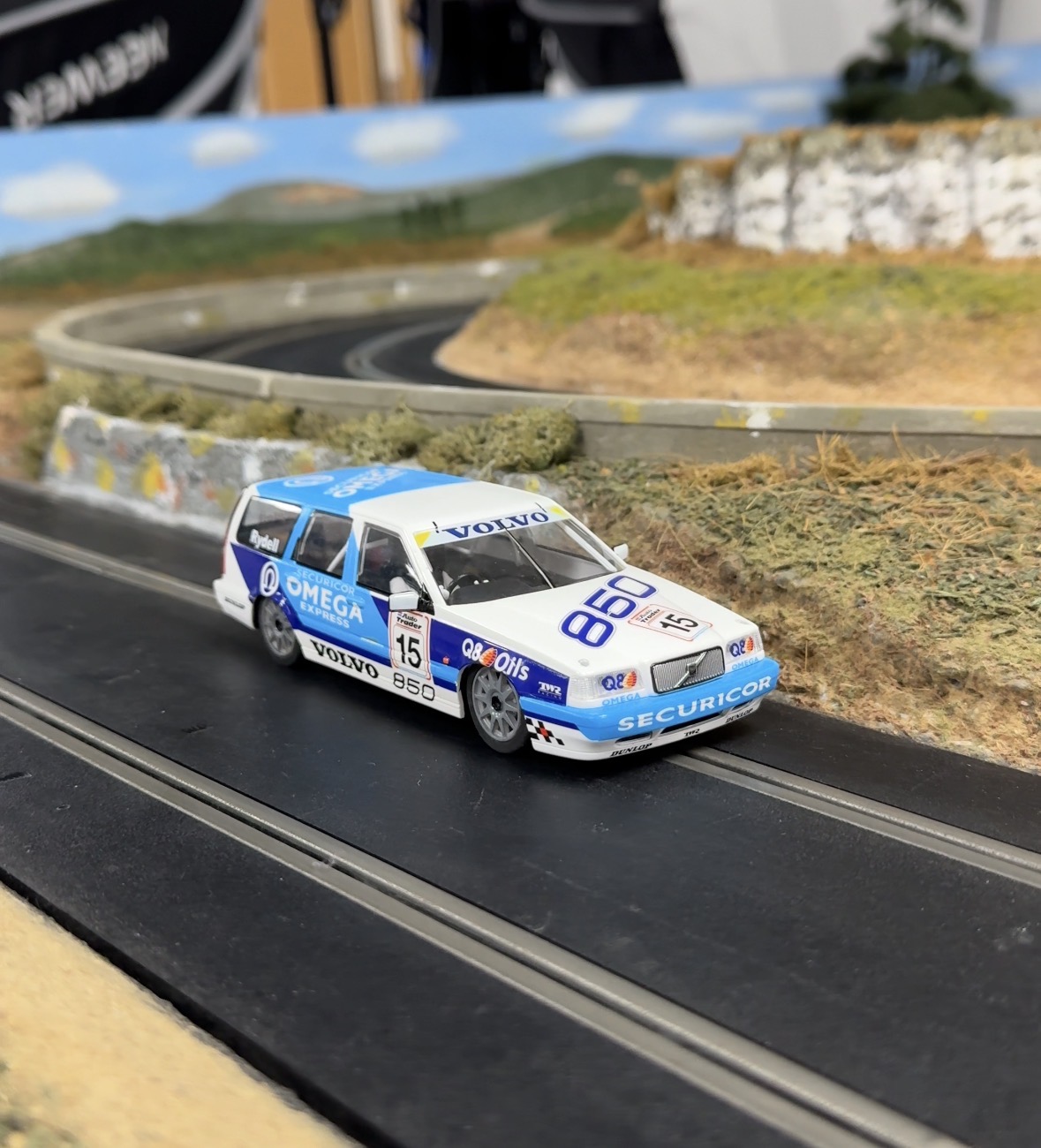
This is the first time we see the decorated model of the car. This is the physical model of the car combined with the full decoration sample created in the product artwork, and the first chance we have to send the product to the licensor for approval.
This allows the car to be checked by both our in-house team and the car's real manufacturer for any errors with the parts used or the car's livery. We will create a report detailing any necessary changes, and send it back to the factory to either produce a new decoration sample or move to the next stage. This cycle can repeat multiple times until both our in-house team and the licensor are happy, which means this stage can take a substantial amount of time.
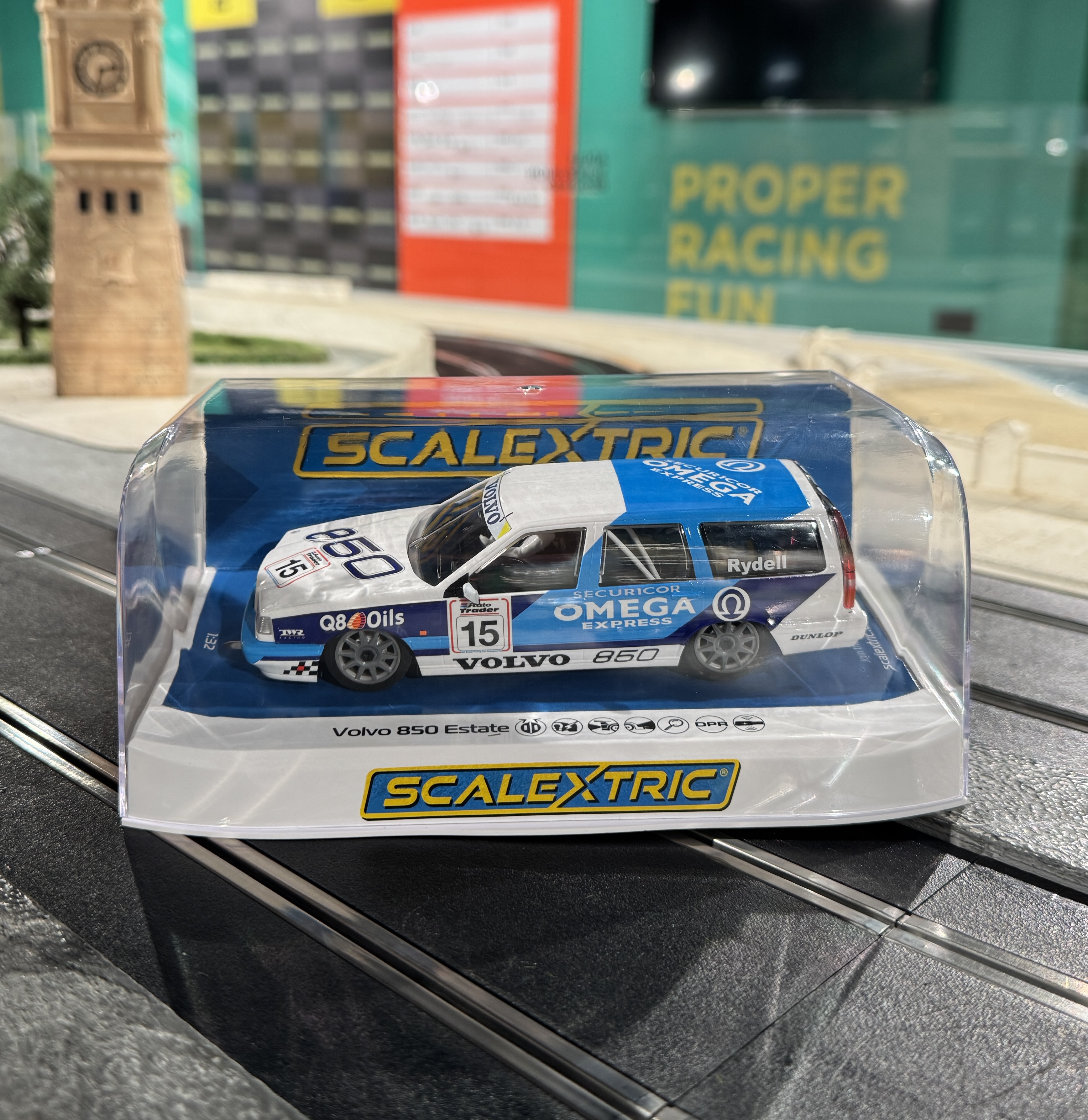
The Golden Sample is the most important sample we receive. It is the final sign-off stage before production and release to the market.
This is where we complete the most extensive checks. We'll make sure the livery and functionality are correct, as well as the packaging, internal components, and any extra parts required. The sample should be in the same condition we'd expect to sell it in. Even one small issue means we cannot approve the slot car and our factory will have to create another sample.
Once we are happy this meets every check, we approve the car ready for production.
This process helps us ensure that all Scalextric models meet the highest of standards, ready to race on your home circuit.